
What, medically speaking, is really going on?
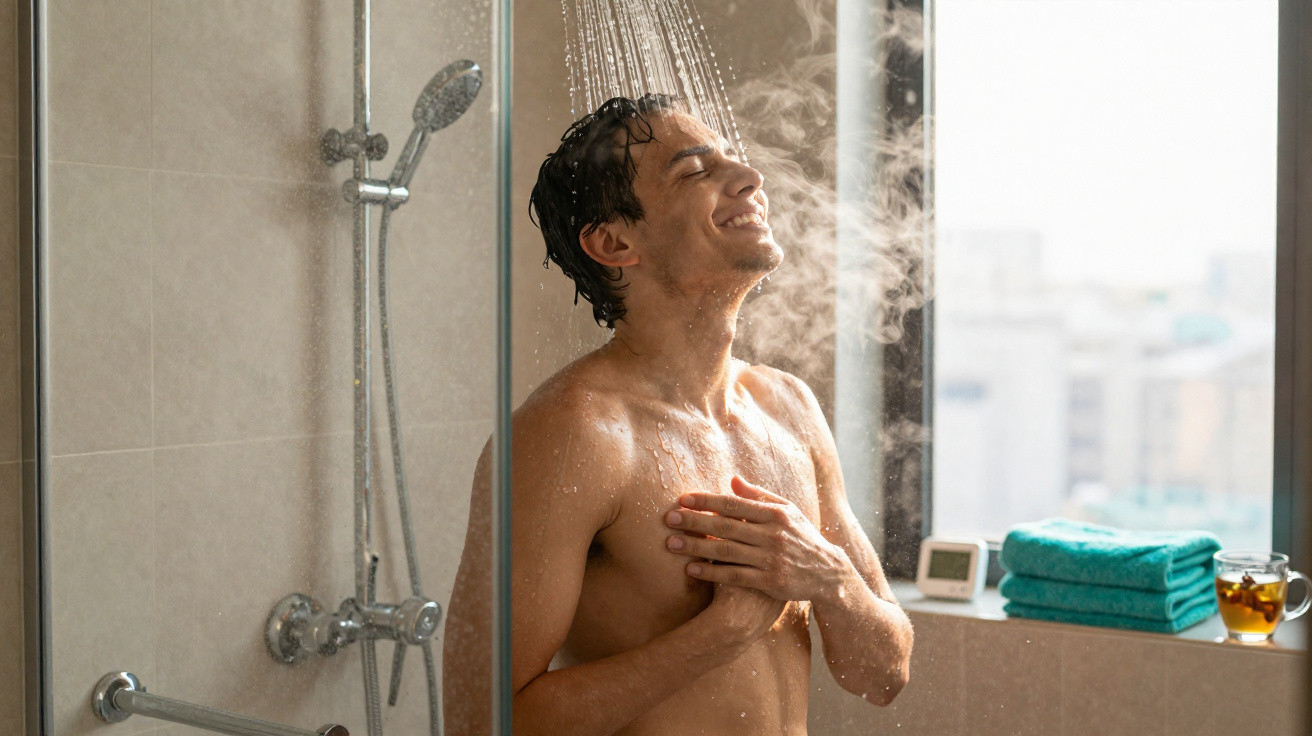
The alarm goes off, your head is still half-buried in the pillow - and instead of turning on hot water, you deliberately crank the tap to ice-cold. What sounds like self-punishment to some is, for others, a private ritual for more energy, sharper focus and stronger defences. A morning cold shower is often treated as a wake-up tool, a wellness hack and a dare all at once. But how substantial are the effects in reality - and at what point is it simply a trend?
What happens in your body when the water turns ice-cold
An adrenaline hit instead of the snooze button
The moment cold water hits your skin, your body effectively raises the alarm. The nervous system categorises the chill as an acute stress stimulus. Blood vessels in the arms and legs narrow - experts call this vasoconstriction. The aim is to keep heat in the body’s core and protect vital organs such as the heart, lungs and brain.
At the same time, the heart ramps up its workload. Your pulse rises and breathing becomes faster and deeper. The adrenal glands release adrenaline and noradrenaline - two hormones that shift the body into the well-known “fight-or-flight” state.
The cold shock can switch a half-asleep body into a fully activated alert state within seconds - and that noticeably drives off tiredness.
The result is that the morning sluggishness is replaced by a clear burst of energy. This tends to work best when the temperature difference is pronounced - for example, moving straight from a warm bed into a cold jet of water.
A short cold shower also saves resources as a side benefit. If you spend only 30–60 seconds under cold water, you use less hot water and therefore less energy. That makes the approach appealing to people who want to feel better while also keeping costs down.
A clearer head - like an espresso without caffeine
The strong cardiovascular stimulus doesn’t only affect muscles and the heart; it can also change how your mind feels. Because circulation increases, many people report that the typical “morning fog” lifts more quickly. You feel more awake, more focused and mentally better organised.
Cold stress activates parts of the central nervous system linked to alertness and reaction speed. Breathing deepens automatically, bringing more oxygen into the lungs and then into the bloodstream. At the same time, carbon dioxide is exhaled more quickly.
Many cold-shower fans say this lets them skip their first coffee - or at least postpone it. The shower does not have to replace coffee entirely, but it can create a similar sense of mental wakefulness.
Cold water and circulation: where the effects are supported by evidence
Support for veins, especially in the legs
Anyone who sits or stands for long periods knows the feeling of heavy legs, swollen ankles or tight calves. Here, cold water in the shower can genuinely help. As blood vessels constrict and muscles tense reflexively, sluggish blood is pushed more effectively from the legs back towards the heart.
This produces a kind of natural “venous pump”. For people prone to swollen legs or those with weaker connective tissue, it can bring noticeable relief. Alternating showers - switching between warm and cold water - are often particularly effective.
Even a brief cold rinse, especially over the legs and feet, can boost venous return and make the legs feel lighter.
The sensation does not last for hours, but with regular use it can become part of a daily routine - for instance, as the finishing step after a normal warm shower.
Immune system: hype or a genuine shield?
Cold showers are often said to strengthen the immune system dramatically and protect against colds. The evidence here is much more mixed. A few studies suggest that people who shower cold regularly report slightly fewer minor infections such as runny noses or scratchy throats. However, the effect appears limited and is not confirmed by all researchers.
The proposed explanation is that repeated mild cold exposure acts like training for the immune system. Defence cells such as certain white blood cells may become more active and respond more quickly, potentially preparing the body more efficiently for everyday germs.
At the same time, there is still no clear proof that cold showers protect against serious infections, or that they can replace vaccination, a balanced diet and sufficient sleep. A realistic view is sensible: cold showers can be one component of an overall healthy lifestyle - not the only pillar.
- Well supported: stimulation of circulation, short-term alertness, support for veins
- Partly supported: small effects on subjective wellbeing and mood
- Unclear: a strongly protective effect on the immune system
- Incorrect: a replacement for doctor’s appointments, medicines or vaccinations
Who should be more cautious
When a cold shower can become risky
As invigorating as a cold shock can be for healthy people, it may be unsafe for some groups. Anyone with significant cardiovascular disease, severe high blood pressure, cardiac arrhythmias or serious lung disease should not begin without medical advice.
A sudden drop in temperature can cause a short-term spike in pulse and blood pressure. For a weakened heart or damaged blood vessels, that can be too much. People who have previously had a heart attack or stroke should also discuss the idea with medical professionals.
If you feel tightness in the chest, chest pain, breathlessness or dizziness in cold water, stop immediately and seek medical assessment.
For everyone else, moderation still matters. Standing under freezing water for ages does not increase the benefit, but it does raise the risk of hypothermia or circulatory problems.
How to get started without making it miserable
No one needs to jump overnight from a hot, spa-like shower to a full-on cold-chamber experience. A gradual approach feels noticeably easier - and makes it more likely you will stick with it.
A practical plan for beginners:
- Start with your usual warm shower.
- At the end, turn the temperature down slightly - just lukewarm - for 15 to 20 seconds.
- After a few days, reduce it further to cool to brisk.
- Finally, add short, genuinely cold phases of 10 to 30 seconds.
If you prefer, begin with just your legs and arms, then include your torso once your body is more accustomed to it. Calm, deep breathing is crucial. Many people gasp under cold water; it is better to counter that deliberately by breathing in and out slowly. This steadies the circulation and makes the stimulus more tolerable.
Practical tips for maximum impact without the drama
How long, how cold, how often?
For most healthy adults, a short duration is enough. The goal is not to become an ice bather, but to create a clear, controlled stimulus.
| Aspect | Recommendation |
|---|---|
| Duration | 30–60 seconds of cold water at the end of the shower |
| Frequency | 3–7 times per week, depending on tolerance |
| Temperature | Cold enough to feel clearly brisk, but not unbearable |
| Order | Start with legs, then arms, and finish with the torso |
For people who exercise, cold showers can be used in different ways: either as an energising kick before training or for recovery afterwards to re-stimulate circulation. After very intense strength training, be cautious with very strong cold exposure immediately afterwards, as some studies discuss a possible influence on muscle-building processes.
Mental effects: training willpower and mood
Alongside circulation and immunity, many advocates mention another factor: mental state. Choosing each morning to face a brief moment of discomfort can feel like a small form of mental training. If you get through it, you often start the day with the thought: “I’ve already cleared the first hurdle.”
Some people who experience mild low moods say they feel steadier and more motivated after a cold shower. A possible reason is the combination of increased circulation, hormone release and the sense of having handled a challenge. It is not remotely sufficient for serious depressive illness, but it may serve as a supportive element within broader treatment.
There is also a bodily learning effect. After a few weeks, many people become less sensitive to the cold. The nervous system adapts, the startle response fades, and the process becomes noticeably easier. Some even find it pleasantly refreshing - especially on warm days.
So if you are curious, it is worth not being discouraged by the first harsh seconds and giving your body time to adjust. Cold showers are not a miracle cure, but they can help you start the morning feeling more structured, awake and active - provided you approach the cold shock with good information, moderation and a bit of courage.

Comments
No comments yet. Be the first to comment!
Leave a Comment