

If your day starts with a glance at your to-do list and an instant headache, you’ll know how it goes: somewhere between work, family, exercise and the house, haircare is the first thing to slip. Even so, nobody wants to be sat in the office with oily roots. Dry shampoo has long been the emergency fix, but the newest generation promises more than simple cover-up - it’s designed to be kinder to sensitive scalps and to take some real, noticeable pressure out of daily life.
When washing your hair becomes a mental load
Washing your hair sounds straightforward, yet in many households it requires surprisingly careful planning. Anyone with long hair or hair that’s hard to manage knows the chain of tasks involved: wash, condition, dry, style - and time it all so your hair works with appointments, a workout class and weekend plans.
Your mind ends up running through questions such as:
- Do I wash it tonight or tomorrow morning?
- Will there be enough time to blow-dry before the first meeting?
- How will my hair survive training - or that afternoon of kids’ gymnastics?
That seemingly minor item - “hair” - climbs to the top of the internal checklist and adds extra mental strain. If you’re already dealing with stress, pressure at work or family chaos, it can tip from mildly annoying into genuinely overwhelming.
"A cleverly used dry shampoo can noticeably reduce that mental load - without making you look like you haven’t washed your hair."
Why your scalp plays a leading role
For a long time, the focus was mainly on how the hair looked. Now the scalp is getting more attention - and for good reason. It can be sensitive to friction, harsh surfactants, heat from the hairdryer and washing too often. If you already struggle with dandruff, redness, psoriasis, eczema or itchy patches, you’ll feel it on every wash day.
This is exactly where a well-formulated dry shampoo can help: fewer washes, less vigorous towel rubbing, and less irritation overall. The key, however, is choosing a product that isn’t overloaded with unnecessary fragrance or aggressive ingredients.
Dry shampoo 2.0: not just disguising, but caring
The British manufacturer Batiste - a familiar name on chemist shelves in Germany - has developed a range aimed specifically at sensitive scalps. The idea is to combine the speed and convenience of classic sprays with a much gentler formulation.
Two options for sensitive scalps
- Aloe vera version: lightly fragranced, with added aloe vera to leave the scalp feeling calmer and softer.
- Fragrance-free version: completely unperfumed, with just a small number of ingredients, for people who want to avoid anything non-essential.
Both sprays are dermatologically tested and carry certification from the Skin Health Alliance, an organisation that assesses skin compatibility. For many people with a sensitive scalp, that’s a meaningful reassurance: hair that looks freshly revived, without upsetting the scalp’s balance.
How the quick freshness boost works
Many people know the basic idea, but mistakes often creep in. If you want dry shampoo to feel like a mini wash, this routine helps:
- Brush your hair thoroughly.
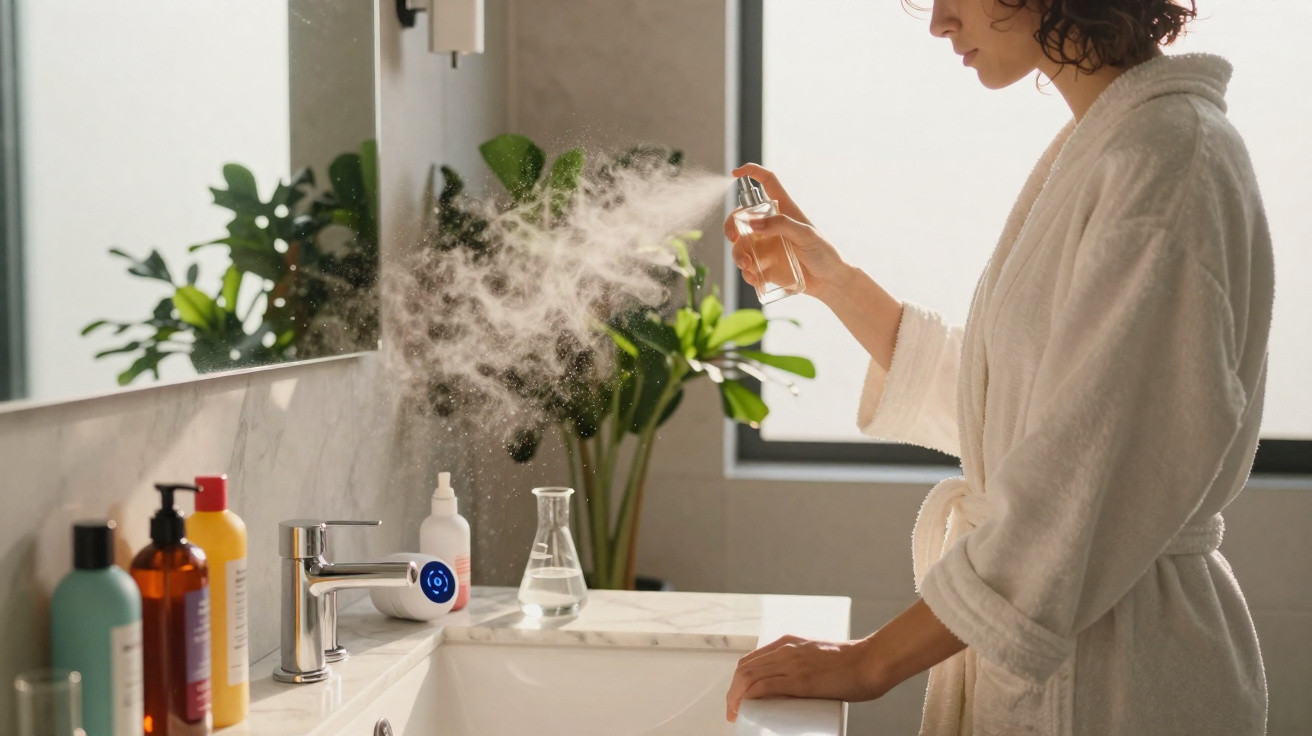
- Spray onto the roots from around 20–30 cm away, working section by section.
- Leave it for one to two minutes so the product can absorb excess sebum.
- Massage in with your fingertips, then brush through well again.
- If you like, give it a brief blast with the hairdryer on a cool setting - this can add extra volume.
The result is roots that look fresher and cleaner, without involving water or a bottle of shampoo. In a consumer study with 158 participants, 94 per cent said Batiste’s sensitive versions were suitable for their sensitive scalp. For sceptics who have avoided dry shampoo because they feared irritation, this may offer a workable option.
How dry shampoo genuinely gives you time back
The biggest advantage is how it changes your day-to-day routine. Rather than washing every other day, many people can often stretch the cycle by an extra day. It may sound minor, but in a packed week it can feel significant. One evening stays free for the sofa, friends or sport - without a long bathroom marathon of washing and blow-drying.
"Every quarter of an hour you get back can make the difference in a crammed schedule - especially when you don’t have to fight for it first."
Parents of small children, shift workers, commuters and anyone who has to be up early often say that a dry shampoo that actually works makes them feel more flexible. You no longer have to plan three days ahead just to figure out when your hair can be washed.
Who the sensitive version is especially suited to
| Type | Why a sensitive dry shampoo makes sense |
|---|---|
| People with an itchy scalp or dandruff | Less friction and less frequent washing reduces stress on the skin. |
| Allergy sufferers and those sensitive to fragrance | The fragrance-free option lowers the risk of irritation or headaches. |
| Athletes with a tightly packed schedule | After training, a spray is often enough instead of a full wash session. |
| Parents under constant pressure | Can increase the time between washes and make evenings easier. |
| Long-hair fans | Long hair takes longer to dry - a freshness spray can save a lot of time here. |
Common mistakes that irritate the scalp
Even the gentlest product can become uncomfortable if it’s used incorrectly. Typical pitfalls include:
- Using too much product: heavy layers can clog pores and leave hair looking dull.
- Spraying from too close: getting too near increases the chance of white residue and dumps unnecessary powder onto the skin.
- Never brushing it out properly: residue sits at the roots and the scalp can feel “dusty”.
- Treating dry shampoo as a permanent solution: using it for several days in a row without a proper wash should be the exception.
If your scalp is sensitive, it pays to find a steady rhythm - for instance, two normal washes per week, with one or two dry-shampoo days in between. That helps keep the skin’s natural protective barrier largely intact, without sacrificing how your hair looks.
How a “hair plan” fits into everyday life
Many people only realise how much hair dictates their week when they start adjusting their routine deliberately. A practical approach could be:
- Plan one full wash on a quieter evening (for example, Sunday).
- Refresh mid-week with dry shampoo if needed - before an appointment, a presentation or dinner.
- Arrange workout days so they ideally fall on wash days, or use a targeted spray to bridge the gap.
This creates a clear rhythm that doesn’t need constant last-minute rethinking. Many people say it helps them focus on other things and feel less pushed around by their schedule.
What dry shampoo can do - and what it can’t
Despite all the upsides, one point remains crucial: dry shampoo is not a replacement for washing your hair properly. Sweat, styling residue, fine dust and product build-up collect on hair and scalp over time. If you only ever spray, you risk clogged pores and worsening itchiness.
As an everyday add-on, though, it can take a lot of pressure off. The sensitive options - including those with soothing ingredients such as aloe vera - are designed to be used in rotation with mild liquid shampoos. If you have significant scalp issues, it’s sensible to run any new product past a dermatologist.
What’s interesting is that dry shampoo often opens up a wider conversation about mental load, self-care and how we structure our days. Haircare may look superficial at first glance, but for many people it’s closely tied to self-image and wellbeing. Finding a practical shortcut here can lift a small but real amount of pressure - and that’s exactly where a well-chosen dry shampoo can make a quiet, noticeable difference.





Comments
No comments yet. Be the first to comment!
Leave a Comment