
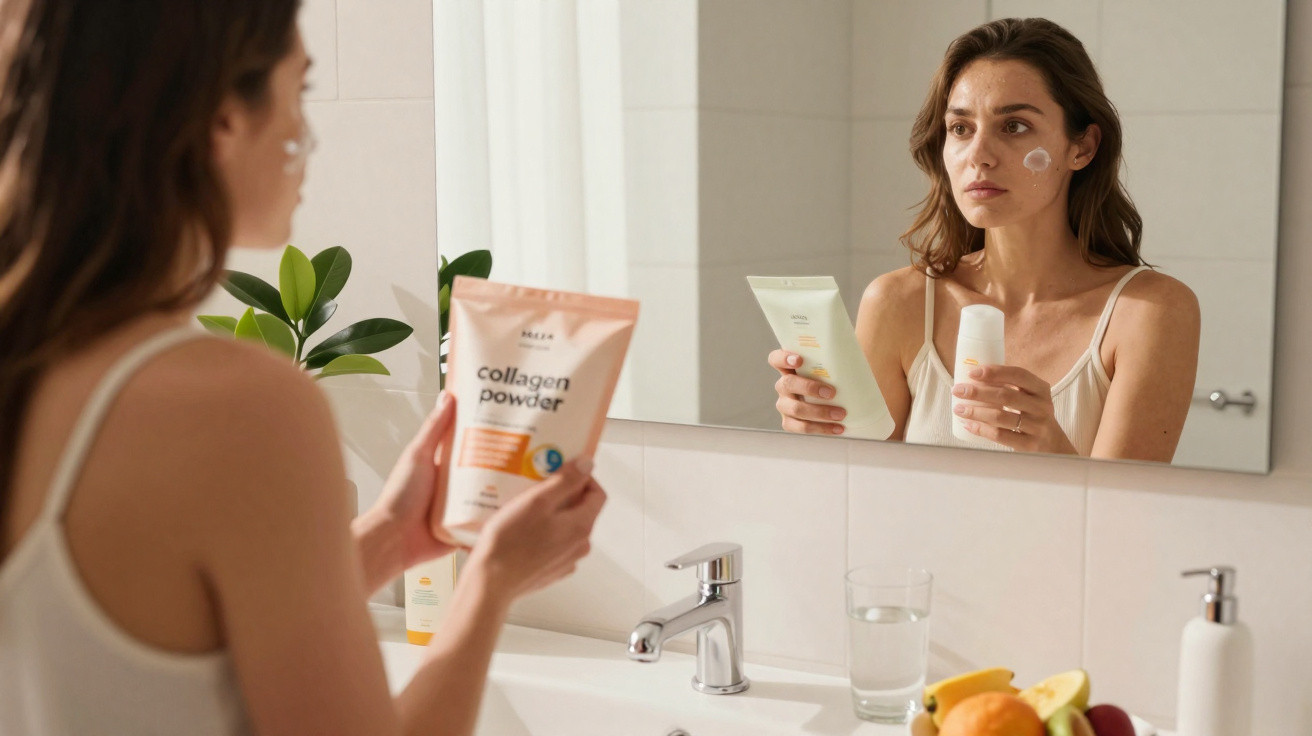
What do these pricey products really deliver-apart from a lighter wallet?
Shelves packed with tins, drinks and jars; influencers raving in Reels; brands promising smooth, firm skin: collagen is marketed as the beauty “secret weapon” against wrinkles. If you buy into the adverts, it’s easy to feel as though you’ll practically “fall apart” without extra collagen. Look more closely, though, and the miracle cure image quickly fades-especially when it comes to visible results.
What collagen actually does in the body
Collagen isn’t a buzzword; it’s a key structural protein. Roughly a third of all protein in the body is collagen. It forms a supportive framework for different tissues.
- Skin: contributes to elasticity and firmness
- Bones: helps the hard structure stay resilient
- Tendons and ligaments: provide strength and tension
- Cartilage: cushions impacts in joints
Your body produces collagen on its own. It breaks down dietary protein into amino acids and then uses them to assemble new collagen fibres. The amino acids glycine, lysine and proline are particularly important building blocks. If your diet provides enough protein, vitamins and minerals, the basics are usually covered-without any “beauty boost” from a tin.
From 25, production slows-just not as dramatically as adverts imply
In your mid-twenties, various things shift, and collagen production starts to tick along a little more slowly. That’s a normal process, not an emergency. The effects typically become noticeable only years later: finer lines, reduced firmness, slower wound healing.
This is exactly where marketing claims step in. Once you spot wrinkles, you’re encouraged to reach for collagen cream, powder or capsules-supposedly turning back the clock. The underlying idea is simple: if something is missing, you just replace it from the outside. It looks great in advertising, but it doesn’t match how biology works.
"The body can’t be treated like an empty tank that you simply ‘top up’ with collagen-tissue building doesn’t work that simply."
Why collagen creams rarely reach deeper layers
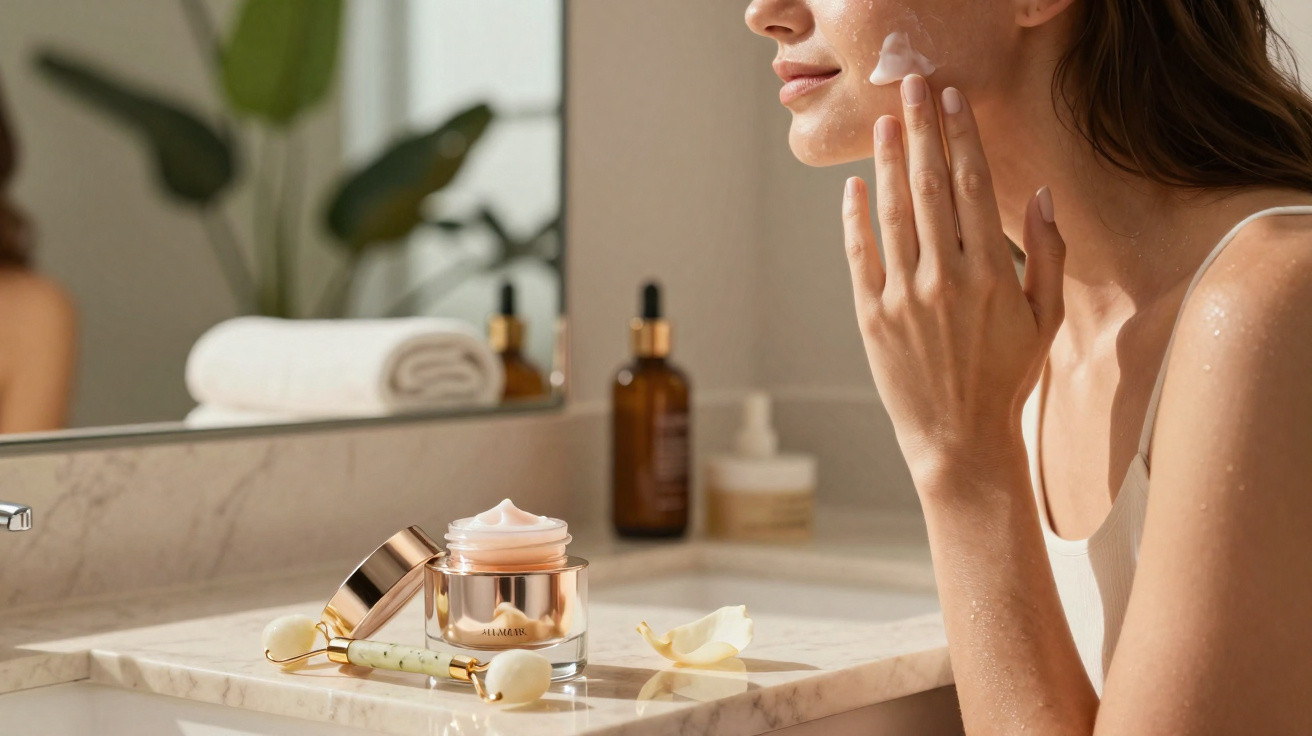
Many products claim collagen can penetrate from the surface into the skin and “plump up” wrinkles from within. Specialists are sceptical. The reason is straightforward: collagen molecules are generally too large to pass through the skin barrier easily.
What usually happens with creams:
- Collagen ingredients largely remain on the skin’s surface.
- They can form a light, conditioning film.
- Skin may feel smoother and softer in the short term-much like after using a good moisturiser.
That surface-level effect isn’t pointless, but it isn’t the same as building real collagen in deeper skin layers. So if you’re expecting a lasting change to wrinkle structure, you’re likely setting the bar too high.
Oral collagen: a hyped product with lots of unanswered questions
Even more heavily promoted than creams are collagen shots, powders and capsules. They’re meant to increase collagen levels from the inside, sometimes with aggressively worded “anti-ageing” promises. So far, science can only support such effects to a very limited extent.
In the digestive tract, the process looks like this:
- The collagen you take is broken down in the gut into smaller components.
- These building blocks enter the bloodstream-alongside all other protein fragments from food.
- The body then uses them wherever they’re needed: muscles, organs, enzymes-or potentially skin and joints.
Whether the collagen fragments you consume are specifically incorporated into the skin remains unclear. Studies that appear to show dramatic wrinkle reductions are often small, short, or partly funded by manufacturers. Large, independent trials with robust data are still mostly missing.
"Just because a product contains collagen doesn’t automatically mean it ends up in the right place in the body-or produces visible effects."
Does the body actually need more collagen?
For healthy people eating a reasonably balanced diet, there is no general “collagen deficiency”. The body is remarkably effective at using protein and deciding where which building materials should go.
Extra supplements may be relevant in certain medical situations-for example after serious injuries or operations-but then only as part of medical treatment. For day-to-day life, purely with wrinkle reduction in mind, most of it looks more like marketing than medicine.
Risks and side effects are often played down
Many adverts present collagen products as harmless. They are not entirely risk-free. Unwanted effects can occur, particularly with high-dose powders and drinks.
- Possible allergies: Most products come from animal sources such as bovine or fish tissue, which can trigger reactions in people with allergies.
- Skin reactions: Some supplements include additives such as nicotinic acid, which can cause flushing or a sensation of heat.
- Digestive complaints: Nausea, bloating or diarrhoea are repeatedly mentioned in user reports.
Expert panels advise not taking more than about five grams of collagen per day via supplements. If you combine several products, it’s easy to exceed that amount.
Big market, small effects: what tests of collagen powders show
Despite the thin evidence base, collagen powders sell extremely well. In chemists and online shops, countless brands compete with superlatives. Consumer tests have taken a closer look at some bestsellers-with sobering outcomes.
| Test point | Typical issues |
|---|---|
| Collagen source | often unclear origin (beef, pork, fish), limited transparency |
| Collagen types | advertising “multiple types” without explaining what that is meant to imply |
| Purity | vague information; few independent checks available to view publicly |
| Dosage | major differences; sometimes very high daily amounts for questionable benefits |
| Price | wide price range, from cheap powders to luxury drinks with similarly doubtful value |
| Transparency | some products are open; others omit key details on production and contents |
The bottom line: labelling and prices vary noticeably, but the advertised impact remains imprecise. In many cases, you’re paying primarily for marketing, packaging and the feeling of “doing something for your skin”.
What genuinely helps skin-without the collagen hype
If you want to prevent or soften wrinkles, there are other levers with far better evidence than collagen products. Dermatologists most often point to:
- Consistent UV protection: Sun exposure is one of the biggest drivers of premature skin ageing.
- Not smoking: Nicotine damages blood vessels and collagen structures, making skin look dull and more creased sooner.
- Enough sleep: Many repair processes run at full speed overnight.
- A protein- and vegetable-rich diet: supplies collagen building blocks and vitamins such as C, A and E.
- Gentle skincare: mild cleansing, moisturiser, and-if needed-actives such as retinol or niacinamide.
These steps won’t create dramatic overnight changes, but over time they typically do more than expensive powders with an unclear evidence base.
Why belief in miracle fixes is so persistent
The idea of a quick drink for wrinkles hits a nerve. It saves time, suggests control over ageing, and fits neatly into a beauty culture that constantly demands optimisation. That makes collagen an ideal product for influencer marketing and social media.
There’s also the fact that small, subjective changes-plumper-looking skin from better hydration, or a generally more conscious approach to self-care-are easily credited to the powder. That’s a classic placebo effect, amplified by glossy imagery and big promises.
How to separate credible products from empty promises
If you still want to try supplements, it pays to be more critical. A few questions can help you judge what you’re seeing:
- Are there independent studies on the exact formula-or only general statements about collagen?
- Are the source and collagen type clearly stated, including the animal and the processing method?
- Do the claims sound realistic, or do they edge towards near-medical “miracles”?
- What is the daily dose-and does it stay within recommended limits?
If a powder supposedly smooths wrinkles, heals joints, builds muscle and “detoxes” digestion all at once, healthy scepticism is warranted.
Ultimately, much of it comes down to a simple calculation: money spent on sunscreen, solid basic skincare, a healthy diet and stress reduction will usually do more for your skin than expensive collagen powder with limited proof of benefit. Collagen remains an important structural protein made by the body-just not a magical beauty potion in a bottle.


Comments
No comments yet. Be the first to comment!
Leave a Comment