
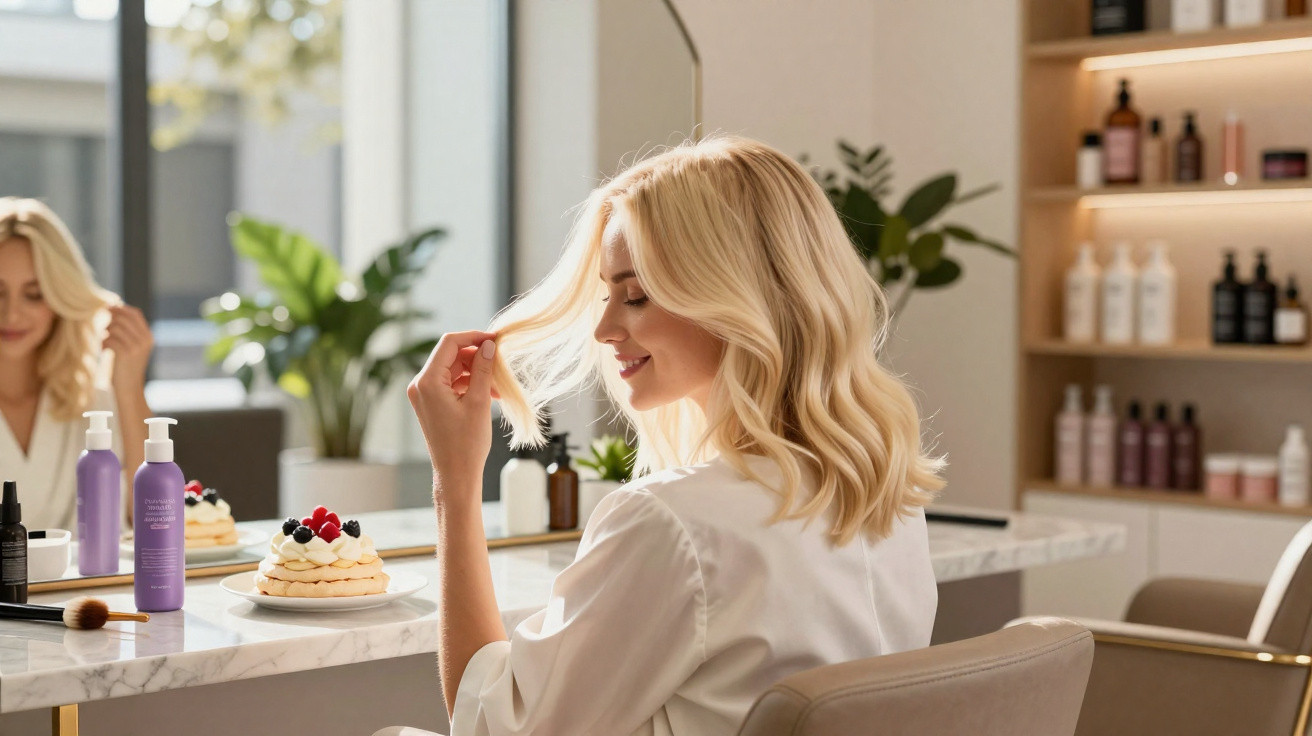
Classic platinum or golden blondes can feel too harsh these days, so a new blonde trend is taking the lead: Pavlova Blonde. Inspired by the airy dessert, this shade leans into creaminess, cool shine and a whisper of pink - exactly matching the desire for a soft, flattering spring glow.
What the trend shade Pavlova Blonde is about
Pavlova Blonde isn’t a loud, Instagram-style blonde. Instead, it’s a very light, cool-toned shade with delicate undertones. Think a blend of vanilla, champagne and a hint of strawberry foam. The result is a soft, multi-layered blonde that looks refined and alive - never like a flat, “painted-on” colour.
"Pavlova Blonde combines cool brightness with creamy lightness and a subtle rosy shimmer - without the typical yellow cast."
This look is defined by:
- a very light, cool base tone
- gentle beige nuances rather than harsh ash tones
- fine, powdery pink reflects that are barely visible depending on the light
- a multidimensional gradient that makes hair look full of movement
In sunlight, Pavlova Blonde can appear almost translucent; in shade, it reads calmer, creamier and more understated. It also performs brilliantly in photos: it can make skin look fresher and feels modern without being “too much”.
Who does Pavlova Blonde suit best?
This trend is especially flattering on lighter complexions. Pavlova Blonde tends to work beautifully with:
- porcelain-toned or slightly rosy skin
- cool or neutral undertones (rosy, olive, beige)
- light eyes - such as blue, grey, green or light hazel-brown
If your natural hair is already ash blonde or mid-blonde, you’ll usually reach the look with far less stress than someone starting from a very dark base. With brown or black hair, the journey to Pavlova Blonde is significantly longer and should be left to professionals.
"The lighter the starting hair colour and the cooler the skin tone, the more naturally Pavlova Blonde blends into the overall look."
That said, the trend isn’t reserved for “Snow White” types. If you have a warmer skin tone, Pavlova Blonde can be adapted with softer beige-gold reflects. This creates a kind of “Soft Pavlova” effect - less icy, but still very flattering.
Soft glam instead of harsh contrasts
Pavlova Blonde fits perfectly with today’s soft-glam aesthetic. Rather than sharp contours, dark blocky brows and ultra-matte finishes, the mood is moving towards:
- gentle colour transitions through the hair
- a glowing complexion instead of full-coverage make-up
- subtle, creamy textures on lips and lids
Blonde isn’t worn as a bold statement any more; it acts more like a soft frame for the face. The rosy sheen in the hair is often echoed in blusher and lip colour, creating a cohesive look that feels effortless rather than overdone.
How Pavlova Blonde is created in the salon
If you’ve only experimented with high-street box dyes so far, Pavlova Blonde is one of those shades where booking a salon appointment really matters. It’s typically built in several stages:
- lightening with bleach or a combination of highlights and lowlights
- toning with a cool toner that has a slight pink undertone
- fine-tuning the reflects - more beige, more rosé, or a cooler icy blonde finish
A stylist will first assess hair structure, starting shade and overall condition. Strong lightening can overwhelm hair quickly, especially if it’s already coloured or naturally very dark. In some cases, a staged approach across several appointments is recommended.
"Anyone wanting to go from dark brown straight to Pavlova Blonde needs patience - and should expect multiple sessions and a higher level of upkeep."
Care rules: how to keep Pavlova Blonde hair healthy
This pale shade only looks truly premium when the hair is glossy and feels supple. After lightening, you’ll need intensive care and a routine that’s thought through.
Repair from the inside and out
Bleached hair can lose strength quickly. To counter that, the following help:
- protein masks to support damaged structure
- emollient-rich care with oils and lipids for softness
- hydrating products with aloe vera, glycerine or hyaluronic acid
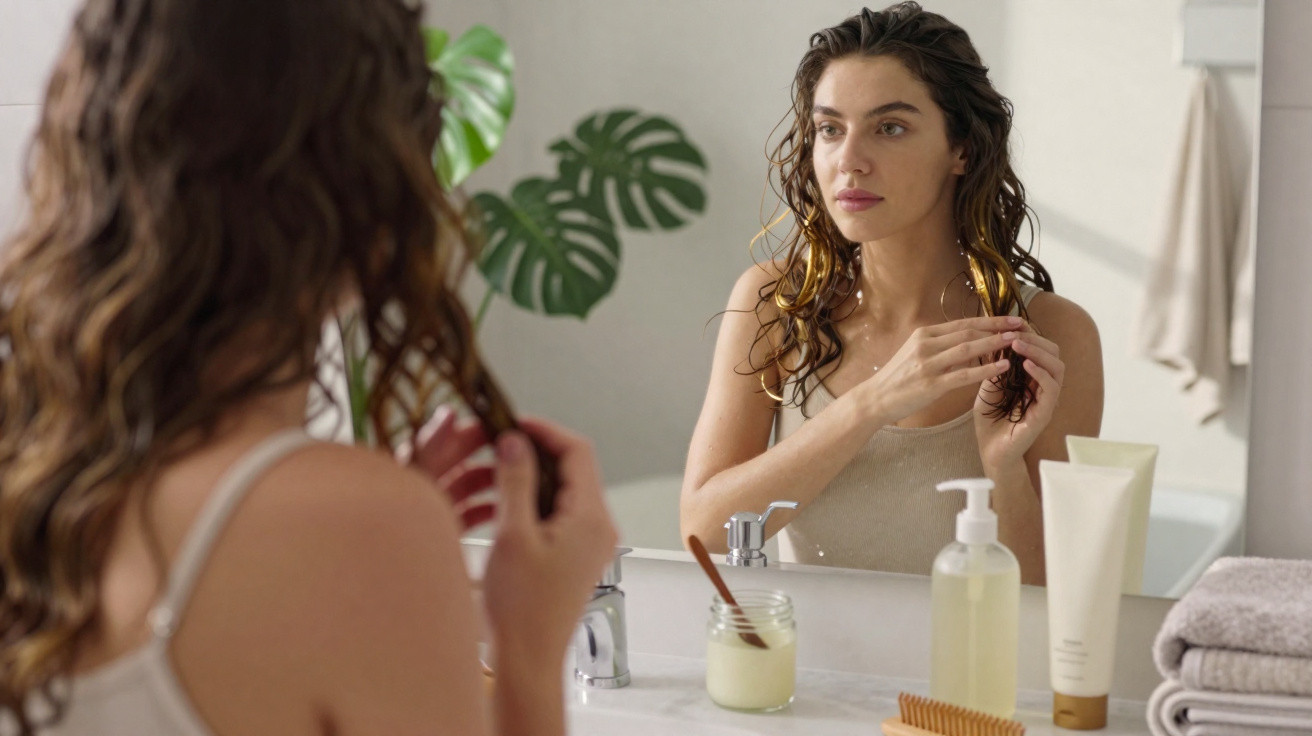
Using all three pillars together helps hair stay flexible rather than straw-like. Leaving a rich mask on once or twice a week makes a noticeable difference with Pavlova Blonde.
Using toner, purple/silver and rose shampoos correctly
Cool blondes can slip into brassiness. To keep the shade crisp, many people rely on targeted shampoos:
- purple or silver shampoo: neutralises yellow and orange tones
- rose shampoo: boosts the delicate pink shimmer
These products aren’t ideal for daily use, as they can dry hair out. For most people, once or twice a week is plenty. In between, use a gentle, nourishing shampoo without harsh surfactants.
"Less is more: using silver shampoo too often can leave a dull grey veil instead of a creamy blonde."
Heat, styling, everyday life: how to protect your new shade
High temperatures are among the biggest enemies of lightened hair. Straighteners and curling wands used without heat protection can cause breakage fast.
- Apply a heat-protectant spray before using a hairdryer, straighteners or a curler
- Keep temperatures moderate rather than turning tools up to maximum
- Let hair air-dry regularly to reduce stress on the fibre
To finish your routine, lightweight oils or serums work well. They sit like a protective film over the lengths, smooth the surface and add shine. With such a light shade, every split end and dry patch shows - so well-cared-for ends are non-negotiable.
How often does Pavlova Blonde need refreshing?
Depending on your hair growth, roots will start to show after around four to eight weeks. If there’s a strong contrast between your natural colour and Pavlova Blonde, you’ll likely book regular root touch-ups. Alternatively, techniques such as balayage or a shadow root leave the roots intentionally a little deeper.
| Hair length | Refresh interval |
|---|---|
| Short hair | every 4–6 weeks |
| Shoulder-length | every 6–8 weeks |
| Long hair / balayage | every 8–12 weeks |
The toner can also be refreshed in between with a glossing service. That’s gentler on the hair fibre and brings back the rosé shimmer if it fades over time.
Risks, costs and alternatives
If you want to try the trend, it’s worth being realistic: Pavlova Blonde is a luxury colour. The combination of detailed lightening work and ongoing maintenance can be expensive. As a rule, the darker your starting shade, the higher the cost and the greater the time commitment.
If hair is very damaged, extremely brittle or has been coloured repeatedly, reputable stylists often recommend taking it slower or choosing a softened version. Options include:
- light, pavlova-inspired highlights through the top layer only
- rosé-blonde glossings on mid-blonde hair
- Pavlova Brunette - brown hair with cool, rosy reflects
If you’re unsure, you can start with temporary toners to see how cool and rosy nuances suit your skin tone. That way, you’re less likely to feel “dressed up” in the wrong shade after a dramatic salon change.
What makes Pavlova Blonde particularly appealing is how easily it pairs with make-up and fashion: soft pastel jumpers, rosy highlighters and creamy nude or rosewood lip colours pick up the tone subtly. The overall effect feels cohesive - ideal for anyone wanting a spring refresh without turning their entire styling routine upside down.
Comments
No comments yet. Be the first to comment!
Leave a Comment