
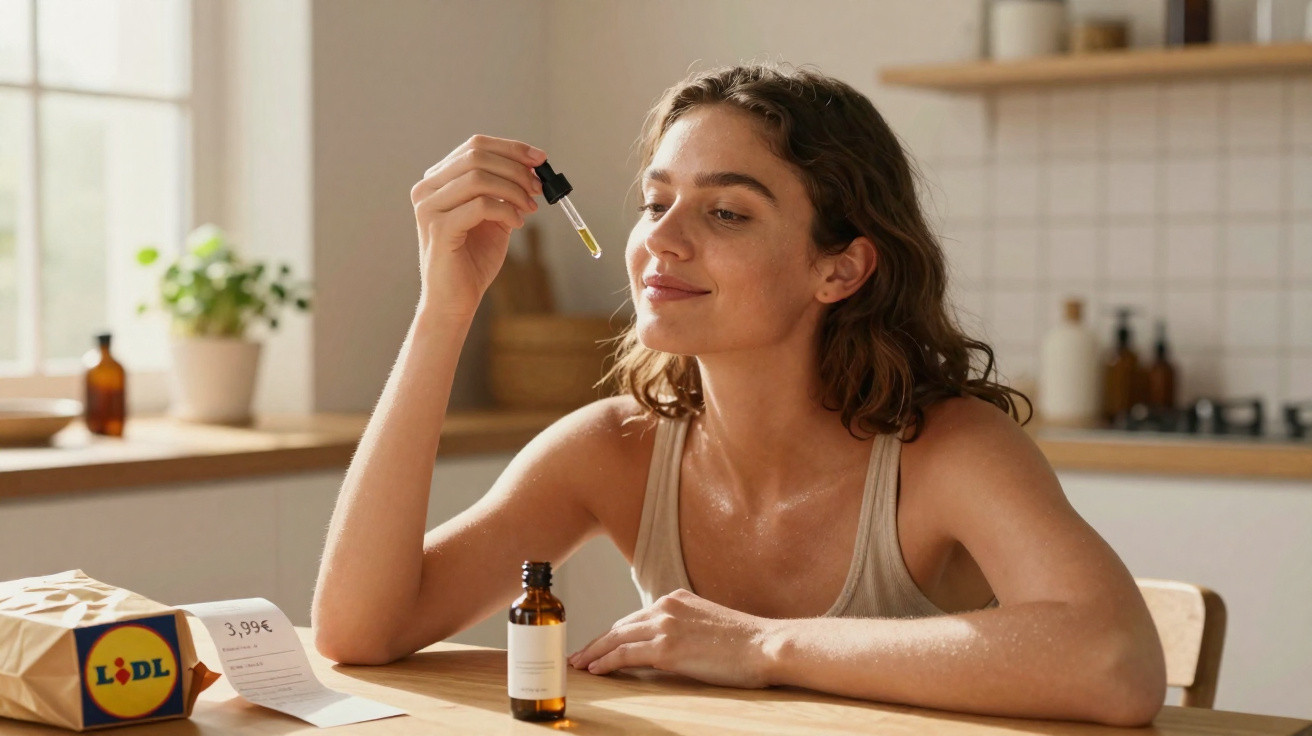
A skincare product for less than four euros that outperforms some pricey luxury labels in an independent app: that is exactly what is happening right now with a Lidl facial serum. The discounter has clearly struck a chord - and it raises a bigger question about how much good-quality skincare really needs to cost.
How a discounter serum became a hidden gem
Lidl has long since moved beyond being known only for sausages, bottled water and weekly specials. For years, the retailer has been steadily expanding its personal care and cosmetics range. Time and again, certain items suddenly take off on social media and in rating apps - often because the balance of price and ingredients turns out to be better than expected.
That is now the case with a facial serum from Lidl’s own brand, Cien. The product is built around hyaluronic acid and is marketed as a moisture boost for everyday face care. The price: €3.99 - a sum that, with many luxury brands, would not even buy you a sample size.
“Lidl’s Cien serum achieves the maximum score of 100 points in the Yuka app - with a selling price under four euros.”
This mix of top marks and a tiny price tag has pushed the serum into more and more TikTok videos, Instagram posts and beauty forums. Many users describe it as a “dupe” for far more expensive hyaluronic serums sold in perfumeries.
What the app rating is actually based on
The Yuka app scans product barcodes and assigns points mainly according to the formula. Colourants, preservatives, potentially problematic fragrance ingredients or controversial chemicals reduce the score. Products with a straightforward, generally well-tolerated ingredient list tend to rank higher.
Lidl’s serum performs well here thanks to a relatively short ingredients list. Instead of dozens of extra additives, it focuses on a handful of deliberately chosen components. The ingredients most often highlighted are:
- Hyaluronic acid: binds water and helps skin look plumper
- Panthenol: soothes, supports the skin barrier and can reduce redness
- Soluble collagen: intended to support a smoother, more cushioned-looking complexion
Because none of the substances flagged as problematic appear in the formula, the app awards the top score. Does that automatically mean it suits every skin type perfectly? No. The rating mainly reflects the general low-risk nature and transparency of the ingredients - not personal tolerance or dramatic, guaranteed results.
Why the price could make luxury brands uneasy
The facial skincare market has been driven for years by big promises: anti-ageing, glow, refined pores. Many brands justify premium prices with extensive studies, exclusive active complexes and high-end packaging. Discounters such as Lidl take a different route: a few hero actives, a plain bottle and an aggressively low price.
“Cien’s serum shows that a clean base formula with familiar actives doesn’t automatically need to cost €40.”
For shoppers, that means anyone who focuses on the core job - in this case hydration and a smoother feel - and is less guided by brand image or luxury aesthetics can save a great deal of money. The fact that a budget own-brand product can land a 100-point rating also chips away at the myth that expensive cosmetics are inherently better.
How to use the Cien serum properly
A hyaluronic serum only works as intended if you apply it correctly. The brand recommends using it on slightly damp skin so the hyaluronic acid can bind water effectively.
Step-by-step everyday routine
- Cleanse your face in the morning and/or evening with a gentle cleanser.
- Rinse with water and pat the skin only lightly so it stays a little damp.
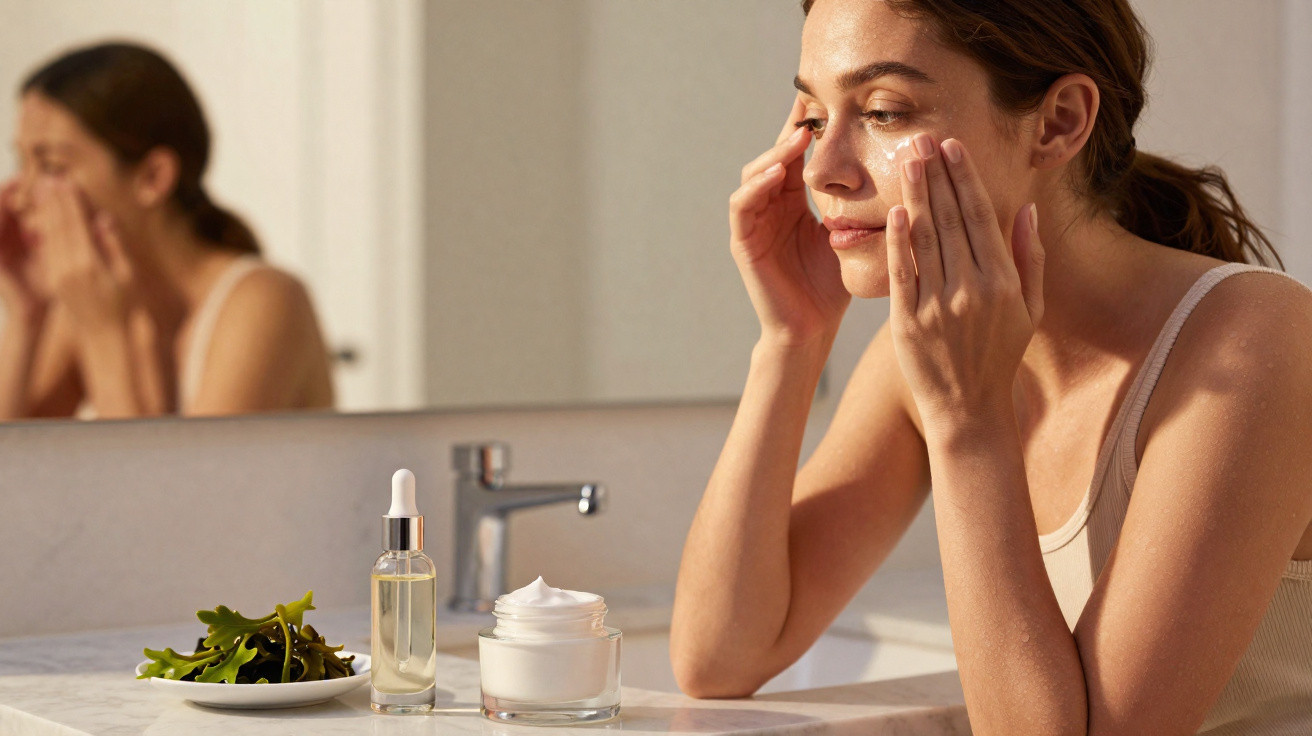
- Spread a few drops over the face and neck, then gently pat in.
- After a short wait, apply a suitable face cream to “seal in” the moisture.
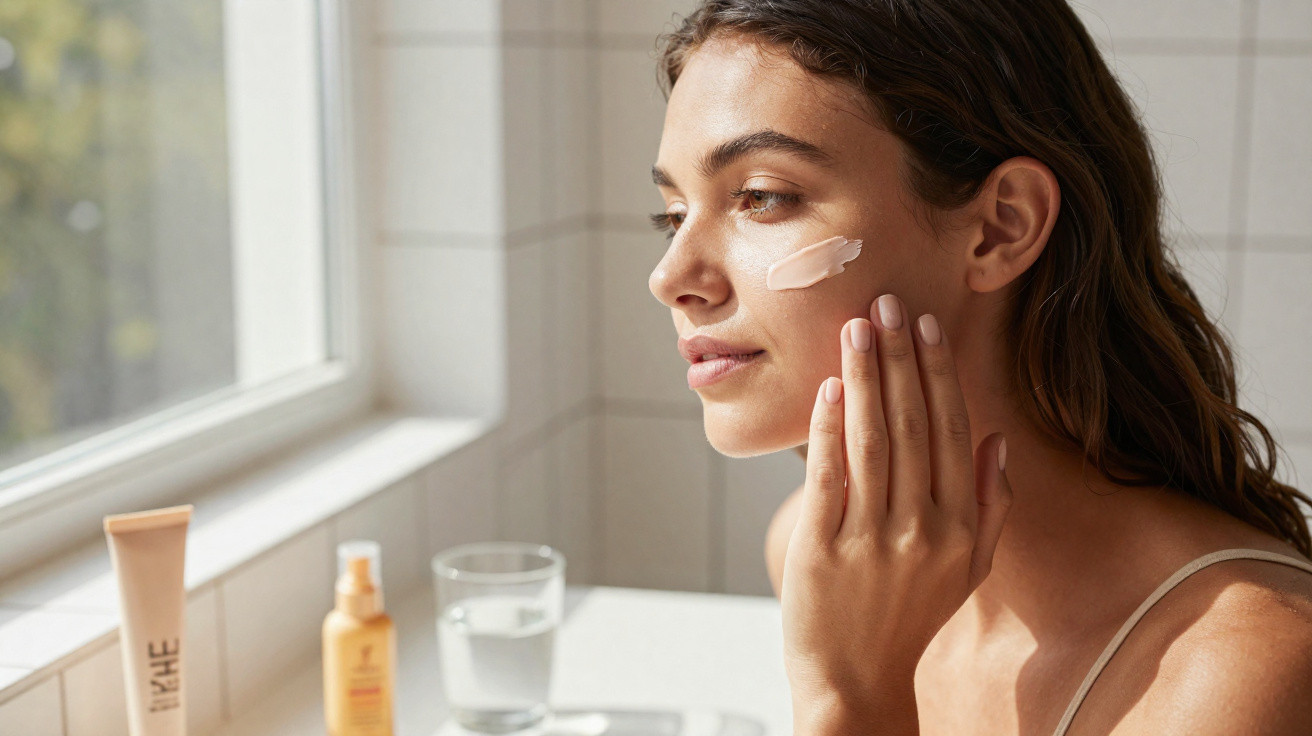
- In the morning, add sunscreen as well - especially if you have fair or sensitive skin.
Hyaluronic acid is generally a good fit for many skin types, from dry to oily. If your skin is very sensitive, it is sensible to patch-test on a small area before making it a permanent part of your routine.
Who is the Lidl serum really worth it for?
For many people, the Cien product can be a simple entry point into a functional, no-fuss routine. It may be particularly useful for:
- Young adults building their first routine on a tight budget
- People with dry or dehydrated skin who want more bounce and comfort
- Bargain-hunters who question brand claims and prioritise ingredients
- Minimalists who do not want ten products lined up on the bathroom shelf
A straightforward hyaluronic serum is less ideal for anyone dealing with significant blemishes, pronounced pigmentation marks or very visible signs of ageing. In those cases, hydration alone often is not enough; ingredients such as retinol, niacinamide or gentle acids usually play a bigger role.
How meaningful are “dupes”, really?
On social media, countless comparisons circulate between expensive luxury skincare and cheaper alternatives. The word “dupe” implies the budget product is almost the same as the costly one. In technical terms, formulas are rarely identical, even if the main active ingredient is often similar.
With Lidl’s Cien serum, the “dupe” reputation largely comes from the fact that hyaluronic acid is the key active - the same headline ingredient found in many far more expensive serums. If your primary goal is that hydration effect, the cheaper option can work well. Luxury products often add extras such as specific plant extracts, fragrance components or more complex textures - leaving the question of whether those additions justify the higher price.
What hyaluronic acid actually does in the skin
Hyaluronic acid is a substance produced naturally by the body that binds water. In the skin, it acts like a moisture magnet. As we age, natural levels decline, skin can look drier, and fine lines tend to appear more noticeable.
A hyaluronic serum forms a thin film on the skin’s surface. Lower-molecular-weight versions can penetrate a little deeper, while higher-molecular-weight types tend to sit closer to the surface but can deliver a quick plumping effect there. The result can be visible, but it is not permanent: if you do not use the product consistently, the effect fades.
How it fits into the wider routine matters as well. Without a moisturiser and sunscreen, skin can still feel dry despite hyaluronic acid - especially in heated indoor environments or under strong sun.
The opportunities and limits of budget skincare
The buzz around Lidl’s serum reflects a broader trend: many consumers are now guided more by ingredient-rating apps than by brand names. That benefits companies that formulate cleanly and label clearly. Price alone says less and less about a product’s real quality.
At the same time, an app score is not a substitute for professional advice when skin problems persist. If you are dealing with acne, rosacea or severe irritation, it is better not to rely solely on “green” ratings and instead seek dermatological guidance. Even a highly rated product can sting or trigger irritation if the skin barrier is already significantly compromised.
One more consideration: even affordable skincare can overwhelm the skin if you are constantly trialling something new. The skin needs time to adjust. If you want to try the Lidl serum, it is best introduced as an add-on to an existing, stable routine rather than launching several new products at once.
The success of Cien’s serum is likely to increase pressure across the cosmetics market. Brands that spend heavily on marketing and packaging will need to explain more clearly why their products are worth the premium if discounters can keep pace with simple, well-rated formulas. For consumers, that creates a comfortable position: more choice, more transparency - and a genuine chance to be very happy with a four-euro product on the bathroom shelf.



Comments
No comments yet. Be the first to comment!
Leave a Comment