
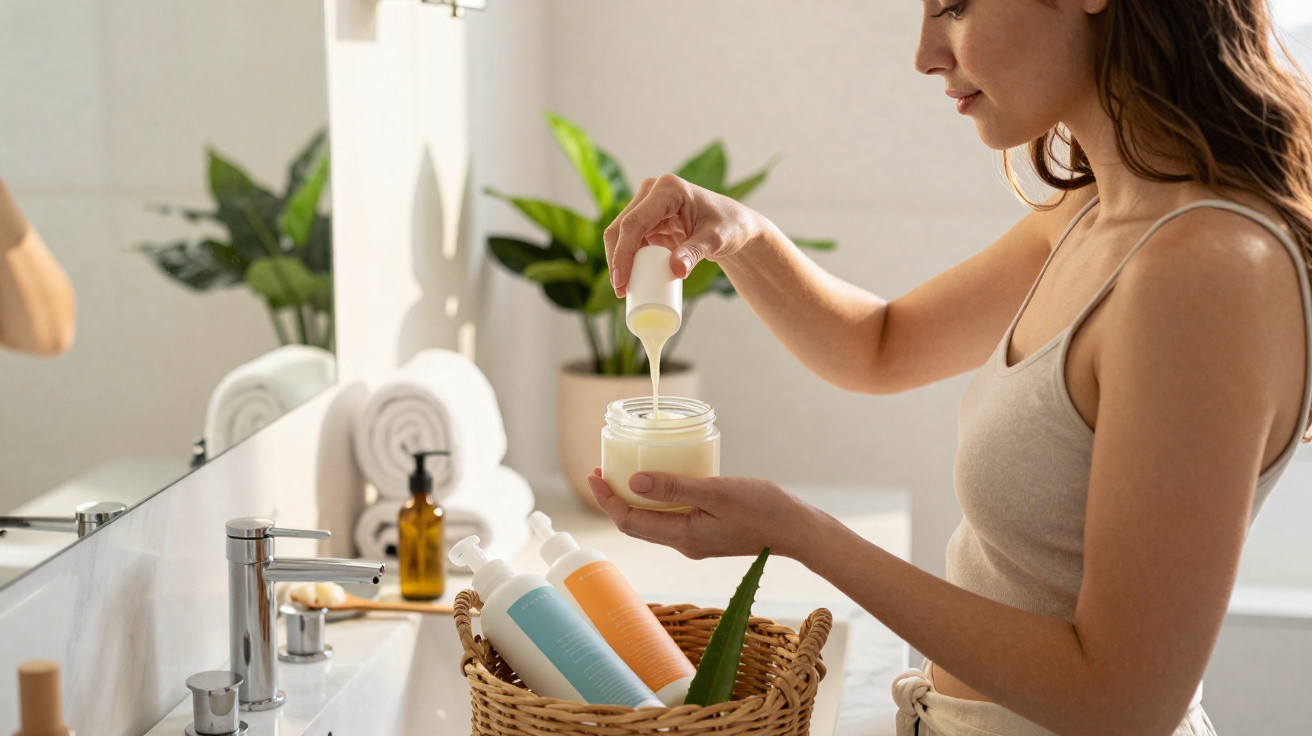
For a long time, she relied on pricey creams, ampoules and serums. Yet even with bathroom cupboards packed to the brim, her skin stayed dull, irritated and just not right. The shift only came when she stopped, screwed the lids back on and switched to a minimalist, homemade routine. Her experiment raises a question that keeps coming up: does our skin truly need all these products - or do they get in the way?
The moment in the mirror when everything changes
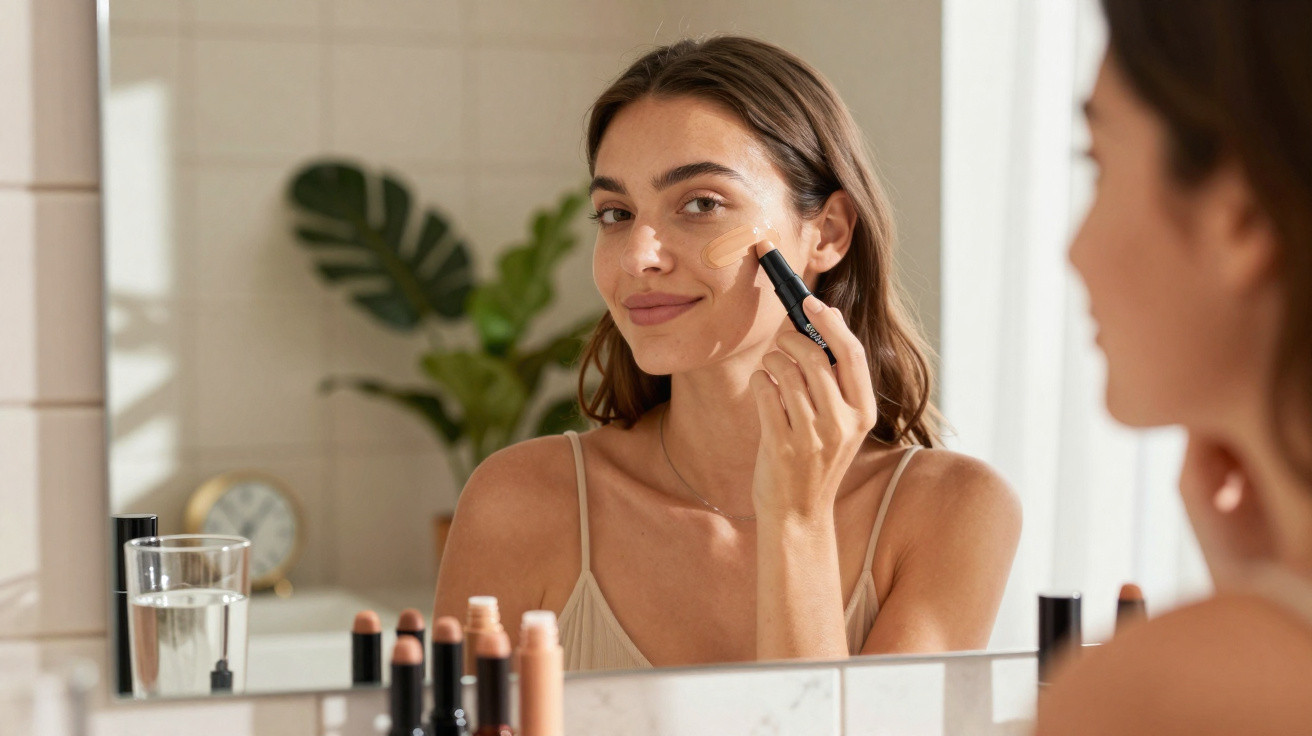
The trigger was nothing dramatic: one morning in front of the mirror. Once again, her skin felt tight, faint redness showed up, and her complexion looked tired. And that was despite using a “rich night cream” and an “intensive serum” the evening before. Suddenly she had the feeling of being over-treated and, at the same time, not properly supported.
“The bathroom cabinet was full - but the skin looked as though it had barely benefited from all those products.”
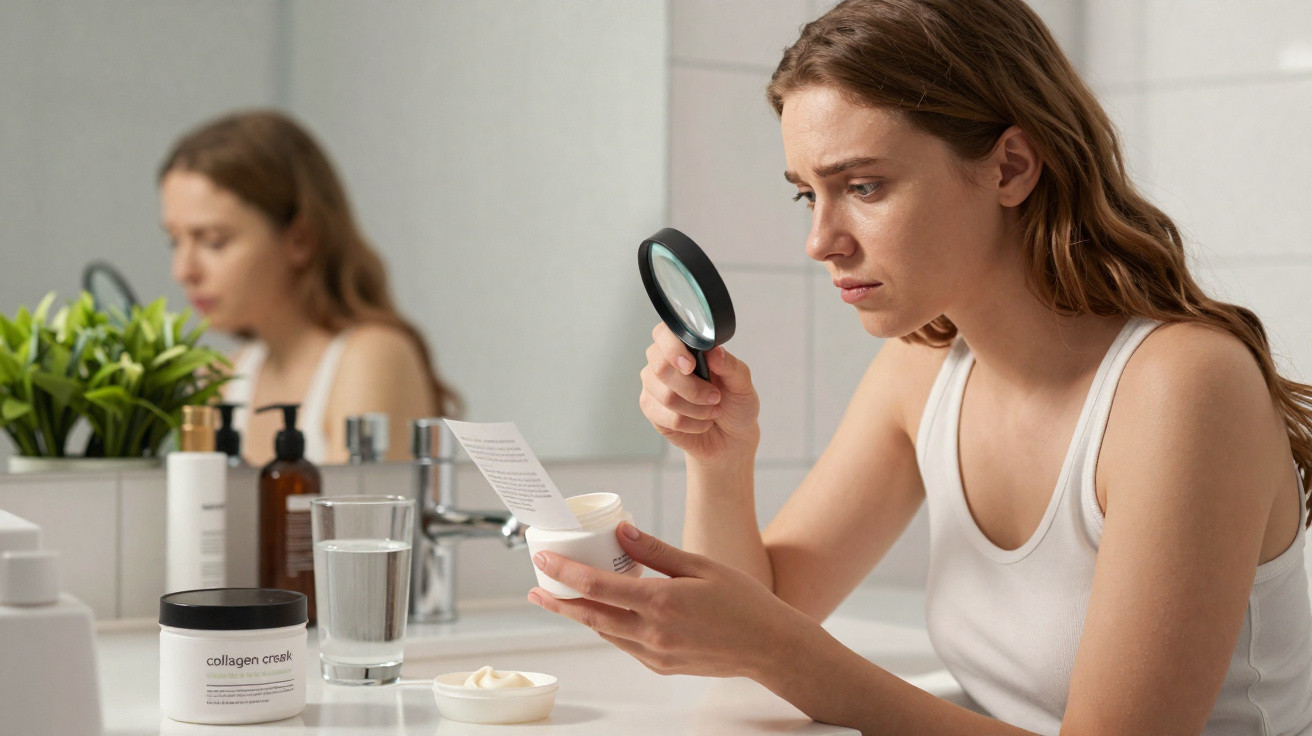
She started reading the labels. Endless lists of hard-to-pronounce ingredients, preservatives, silicones. Her confidence wobbled. Instead of reaching for the next cream as usual, she deliberately left the bottle closed. That day, she decided: pause. No more constant skincare, no more layering product on product.
Why we believe we cannot live without cream
For decades, the skincare industry has repeated a simple message: without cream, skin dries out, wrinkles follow, and the natural barrier breaks down. Advertising, social media, influencers - they all push the same storyline. The result is predictable: a bare, untreated face can feel almost like negligence.
A look back in time shows a different reality. In the past, many people got by with:
- a gentle cleansing bar or a straightforward soap
- the occasional plant oil, such as almond or olive oil
- fresh air, enough sleep and a simple diet
Even so, plenty of people remember their grandmother’s “porcelain skin” - a complexion maintained with very little. The contrast with today’s arsenal of specialist creams could hardly be bigger.
What skin can actually do when you let it
To see why cutting back can work, it helps to understand the skin’s biology. Skin is not a passive shield; it is a highly active organ. The outer layer (the stratum corneum) continually renews itself. Sebaceous glands and sweat glands work together to form the skin’s own protective layer - the so-called hydrolipid film.
“The hydrolipid film is like a self-mixed, body-made day cream - precisely tailored to the skin.”
This blend of water, oils and natural moisturising factors helps prevent dehydration, protects against germs and keeps the skin supple. When you constantly use strong cleansers, aggressive exfoliants and heavy creams, you interfere with that system. Skin may respond with dryness, excess oil production, redness or blemishes.
When skin goes into withdrawal
The woman in our example chose a clean break: every cream and every conventional skincare product went into a box. The first week was tough. Her skin felt tight, seemed rough on some days, and a few small spots appeared. This is exactly the point at which many people give up and return to their old routine.
The key is that skin has to relearn how to do the work itself. When you stop supplying oils and moisture from the outside all the time, you push the skin to turn its own mechanisms back up. That can take anywhere from two to six weeks - depending on the starting point, the season and previous habits.
The homemade blend: few ingredients, big impact
Rather than using nothing at all, after a few days she switched to a simple mixture she made herself. No high-tech formula - just a deliberately pared-back recipe with a handful of well-tolerated components.
| Ingredient | Role in the blend |
|---|---|
| Plant oil (e.g. jojoba or almond) | supports the natural lipid layer, keeps skin soft |
| Hydrosol (floral water, e.g. rose) | provides light hydration without a greasy film |
| A few drops of vegetable glycerine | binds moisture in the stratum corneum |
She shook the blend briefly before each use, applied only a few drops onto still slightly damp skin, and massaged it in slowly. No fragrance, no silicones, no parabens - just basic raw ingredients.
The changes after a few weeks
After two to three weeks, things began to turn. Redness reduced, the tight feeling eased, and her complexion looked more even. The surface of her skin felt smoother, without looking shiny or oily. Make-up sat better because there was no heavy layer of cream underneath.
“Instead of a ‘wow effect overnight’, there was quiet but steady progress - day after day.”
At the same time, she paid more attention to sleep, drank more water, and shifted her diet towards unprocessed foods and high-quality fats - for example from nuts, linseed oil or oily fish. The combination of doing less on the outside and supporting from within made a visible difference.
Minimalist routine: what a day without classic cream looks like
If you want to try a similar approach, you can use this rough structure as a guide:
Morning
- Rinse your face with lukewarm water; do not scrub
- Optional: use a very mild cleanser if needed
- Mist a few sprays of hydrosol over the skin
- Massage 2–3 drops of the oil blend into still-damp skin
- During the day, remember sun protection if you will be outside for longer
Evening
- Loosen make-up with a small blob of oil and lukewarm water
- Remove gently with a soft cloth
- Apply hydrosol again
- Use a few drops of the blend only if needed - not out of habit
What matters is not the exact recipe, but the principle: fewer layers, fewer ingredients, and more respect for the skin’s own capability.
What changes beyond appearance
The impact was not limited to the mirror. Many people who take a similar route describe an unexpected sense of relief. No more pressure when a “must-have cream” goes viral on TikTok, and no urge to keep buying the latest thing. Skincare becomes routine again - not a hobby, and not a trap for your bank balance.
“When you take control of your routine again, you gain more than just better-looking skin - you gain a piece of independence.”
At the same time, body awareness often improves. Instead of blindly trusting marketing promises, many learn to pay attention to their skin’s signals: does it get oily quickly? Does it feel tight after cleansing? Does it react to fragrance? These observations frequently lead to better, longer-lasting choices in the bathroom.
Opportunities and risks of a radical change
Completely avoiding conventional skincare is not right for everyone. People with strongly inflammatory skin conditions such as rosacea, eczema or severe forms of acne should involve a dermatologist before changing everything at once. Allergies to specific plant oils or hydrosols are also possible.
At the same time, the approach offers clear opportunities:
- fewer potentially irritating ingredients
- manageable routines that are easy to maintain
- much lower costs compared with high-end cosmetics
- less packaging waste and plastic in the bathroom
If you want to start cautiously, you do not have to throw everything away immediately. A first step might be to halve the number of products, avoid fragrance, or look for clear, short INCI lists. After that, you can observe how your skin responds.
Also interesting is the interaction with lifestyle factors. Dermatology clinics repeatedly report that people who sleep enough, reduce stress, do not smoke, and focus on a vegetable-rich, minimally processed diet often need far fewer specialist products to feel happy with what they see in the mirror.


Comments
No comments yet. Be the first to comment!
Leave a Comment