
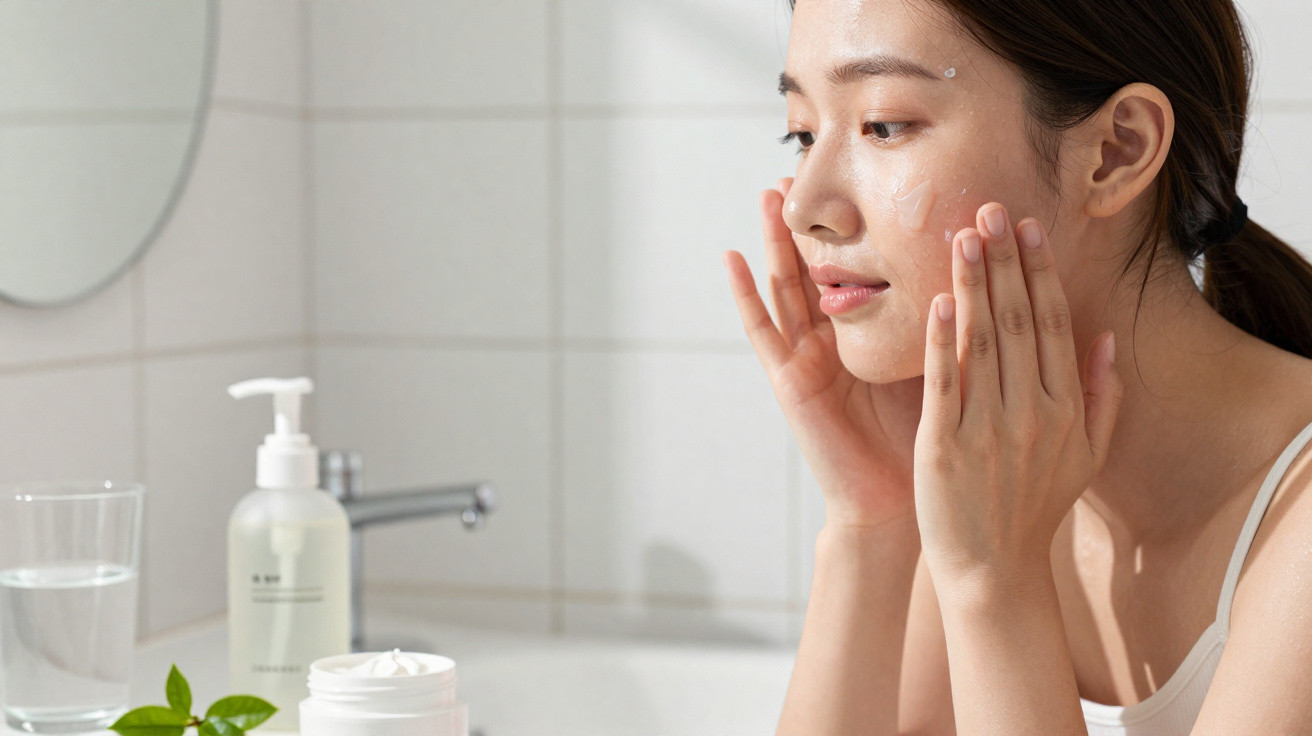
More and more people are dealing with sensitive skin that reacts quickly. Dry air from central heating, air conditioning, harsh cleansing and constant mask-wearing have all taken their toll. Against that backdrop, a Korean gel with ceramides has been making headlines: it’s said to calm a weakened skin barrier, help repair it and still feel weightless on the skin. So what’s actually behind it - and who is the hype genuinely worth it for?
Why sensitive skin gets out of balance so easily
Redness, tightness and rough patches often have a fairly straightforward cause: the skin barrier is compromised. This protective layer of lipids and cells keeps moisture locked in and helps shield the skin from external irritants. When it’s disrupted, the skin loses water more easily, becomes more reactive to cold, heat or fragrance, and can feel persistently stressed.
Ceramides play a central part here. These skin-identical fats occur naturally and act like the mortar between bricks in a wall. When ceramides are lacking, gaps appear - irritants get in more readily and moisture escapes faster. That’s why dermatologists have been turning to ceramide-based skincare for years when the goal is to rebuild the barrier.
“Rich enough to repair - light enough not to annoy: that’s exactly the tightrope this new gel aims to walk.”
The Korean ceramide gel: what makes it different
The much-discussed product is a hydrating gel from ILLIYOON, a brand owned by the Korean beauty giant Amorepacific. The formula centres on a pairing of ceramides and amino acids. While ceramides help “seal” the skin’s protective wall again, amino acids support moisture retention in the upper layers of the skin.
According to the brand, the ceramides are delivered using a special encapsulation approach. The active ingredients sit in tiny spheres and are released gradually. The promise is steadier, hours-long nourishment rather than a brief moisture boost that disappears after an hour.
Lightweight gel texture instead of a greasy cream
People with sensitive skin that also tends to shine often get stuck between two unsatisfying options: rich creams can feel heavy and may clog pores, while lighter fluids can be too weak to truly nourish. This gel is designed to bridge that gap.
- a cool, fast-absorbing gel base
- deep hydration without an oily layer
- no tacky feel, no greasy shine
- suitable for face, neck and dry areas on the body
Many users report an immediate “fresh” sensation as soon as they apply it. The gel seems to melt into the skin, spreads easily and becomes invisible within seconds - leaving skin feeling soft and hydrated without looking glossy.
Which skin types the gel suits
This product is aimed mainly at people whose skin is both sensitive and dehydrated. Typical candidates include:
- sensitive skin prone to redness
- dehydrated combination skin
- oily skin that can’t tolerate heavy creams
- skin stressed by courses of treatment, exfoliants, or wind and weather
Because the formula avoids fragrance, silicones and certain preservatives, it’s also popular with people whose skin is reactive. That doesn’t mean nobody will ever react - irritation is possible with any product - but common trigger ingredients are intentionally left out here.
“Especially with combination skin, ‘repairing care’ often sounds like a greasy film - this gel shows it can be done differently.”
What users praise most often
Certain themes come up repeatedly in user experiences. Many describe an “instant effect” when skin feels like it’s burning or tight - particularly in winter or after an overly harsh peel. Others use the gel on very dry hands because it sinks in quickly and doesn’t leave residue on a keyboard or smartphone.
The points most frequently highlighted are:
- Quick soothing - redness and tightness often ease noticeably.
- A fresh feeling - the gel texture feels cooling without stinging.
- No heaviness - even layered application keeps the complexion looking natural.
- Easy to combine - the gel works on its own or underneath a cream.
Users with oily or blemish-prone skin are often surprised that they can feel substantial hydration without seeing a layer sitting on the surface. If rich creams usually lead to new breakouts after a couple of days, the difference here tends to stand out.
How to work the gel into your routine
Fitting the product into a routine is fairly straightforward. A simple rule: apply it after cleansing and watery layers, and before richer creams or sunscreen.
| Step | Product |
|---|---|
| 1 | Gentle cleanser |
| 2 | Toner or a soothing facial toner |
| 3 | Serum (e.g. with niacinamide or hyaluronic acid) |
| 4 | ILLIYOON ceramide gel |
| 5 | Moisturiser or sunscreen as needed |
Most people only need a small amount. If you have very dry patches, you can apply a little more just to those areas and let it sit like a mini “hydration mask”. Thanks to its light texture, the gel works well morning and night. Some people also use it during the day as a quick SOS when indoor heating suddenly makes skin feel tight.
What’s behind K-Beauty and the brand ILLIYOON
Korean skincare has set trends for years - from multi-step routines to innovative textures like gel-creams and skin-mimicking masks. ILLIYOON sits within the Amorepacific group, one of the biggest players in the Korean cosmetics market. The brand’s focus is on strengthening stressed skin rather than simply providing a short-term cosmetic effect.
Alongside ceramide technology, the brand often uses plant-based elements such as ginseng root water or calming botanical extracts. The idea is to combine modern active-ingredient tech with traditional Asian care rituals. For many users in the West, the appeal lies in the mix of strong performance and a lightweight texture that’s easy to live with day to day.
How to recognise a good moisturiser for sensitive skin
If you’d rather not chase every trend, a few practical criteria help. A well-designed product for sensitive skin usually offers three things:
- Barrier-supporting ingredients such as ceramides, amino acids, panthenol or Centella asiatica.
- Humectants like glycerin or hyaluronic acid that bind water without feeling heavy.
- A low-irritant formula with minimal fragrance and appropriately chosen preservatives.
The texture should match your skin type: dry skin often copes well with richer creams, while combination and oily skin typically feel better with gels or gel-creams. If your skin is very reactive, it’s wiser to patch-test new products on a small area of the neck or behind the ear before applying them across your whole face.
How to combine the gel intelligently
The gel becomes particularly interesting alongside other ingredients. In a minimalist routine, many people are happy pairing it with a mild cleanser and a solid sunscreen. If you want to do more, applying a niacinamide serum underneath in the morning can help reduce redness and even out the look of the skin.
In the evening, a gentle facial oil can work well on top, especially in winter. That way, the gel’s lightweight hydration is paired with the protective layer an oil provides - a combination that can suit dehydrated skin that isn’t extremely dry.
What tends to be less suitable is using aggressive acids in the same routine when skin is already irritated. In that situation, it makes more sense to prioritise calming and barrier repair first. Only once the skin feels more stable should stronger exfoliating steps be reintroduced slowly and in moderation.

Comments
No comments yet. Be the first to comment!
Leave a Comment