
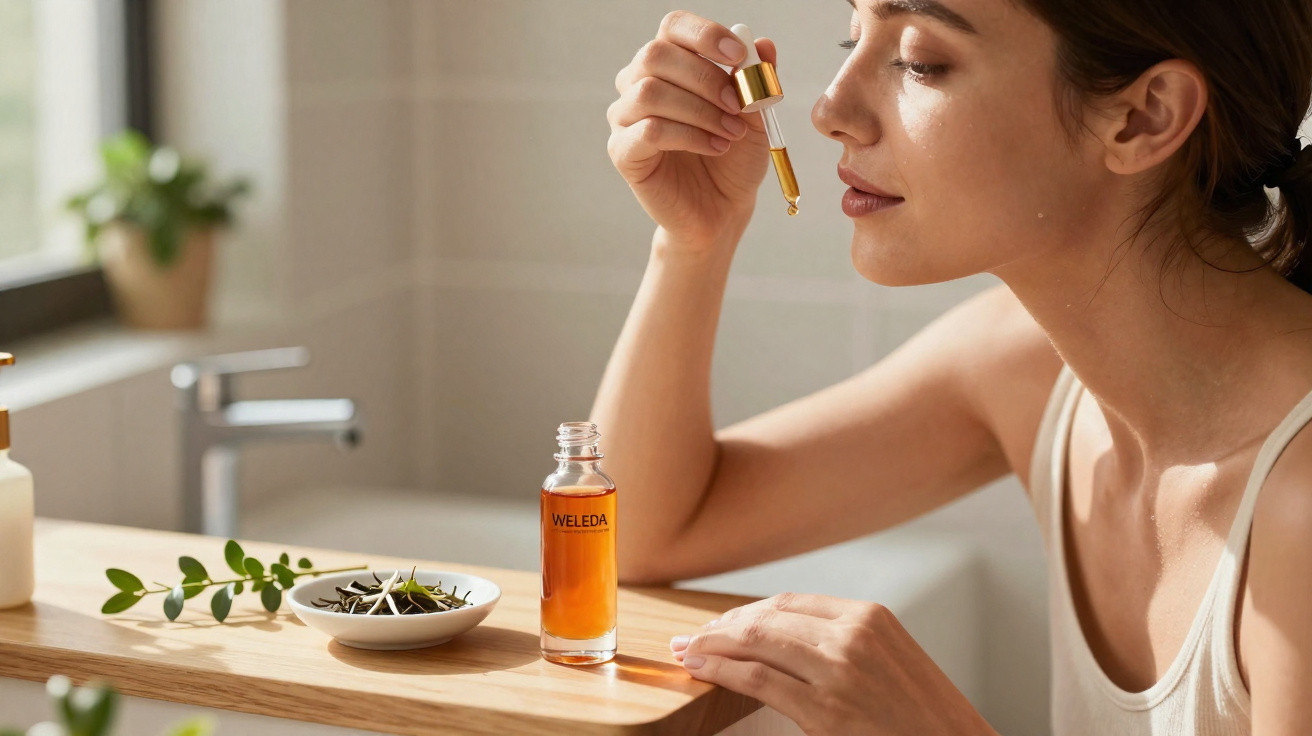
Many people reach for pricey anti-ageing creams, while a small bottle on the chemist’s shelf is easy to miss. Weleda’s serum uses an active ingredient that research often describes as an especially powerful free-radical scavenger - yet it still costs under ten euros.
A modest little bottle with a clear anti-ageing message
The product is called Weleda Astaxanthin Serum Drops and it is aimed at anyone who wants to soften early lines and make their skin more resilient overall. It is not a miracle potion that erases wrinkles in two days; rather, it is one component of a solid routine built around protecting and strengthening the skin.
What makes it stand out is the format: the serum comes as drops, so you use only a tiny amount each time. Two to three drops are enough for the whole face, and you can also apply it to the neck and upper chest (décolletage) if that feels right for your skin.
"The idea: with just a few drops, make your existing skincare noticeably more effective - without having to swap out your entire routine."
That is exactly why it appeals to anyone who does not want to give up their favourite moisturiser, but still wants to do more to tackle wrinkles.
How to use the serum day to day
Weleda relies on a flexible approach. There are two straightforward ways to work the serum into your routine:
- Use it neat on the skin: after cleansing, apply the drops straight to the face (and, if you like, neck and décolletage), gently pat in, then follow with your usual cream.
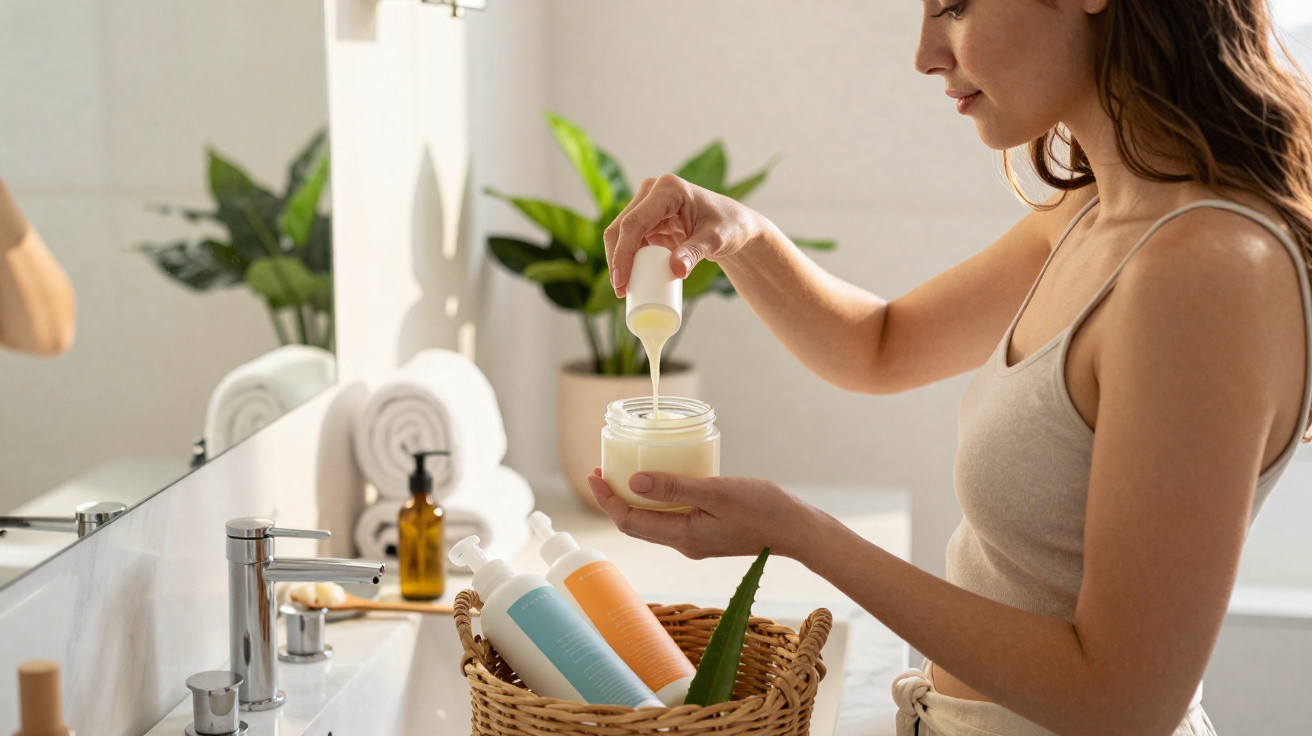
- Mix it into your cream: blend two to three drops in your palm with your day or night cream and apply together.
Both options have their place. Applied directly, the active ingredient sits on the skin in a more concentrated way. Mixed into a cream, the application often feels a bit more “nourishing”, which tends to suit drier skin types.
Who is the serum for?
According to Weleda, the product is suitable for all skin types - from normal to dry, including combination skin. People with sensitive or easily irritated skin often opt for certified natural cosmetics, because certain harsher ingredients are not permitted in the first place.
Typical target groups include:
- people noticing early fine lines on the forehead, around the eyes, or around the mouth
- those living in cities and dealing with air pollution
- anyone who spends a lot of time in front of screens or outdoors
- users who prefer a simple, streamlined skincare routine
Astaxanthin: why this ingredient gets so much attention in research
At the heart of the formula is astaxanthin. The name sounds technical, but its origins are very natural: astaxanthin is a red pigment found in certain algae, and also in salmon, krill and even flamingos. It belongs to the carotenoid family.
In laboratory tests, astaxanthin performs particularly strongly as a free-radical scavenger. Free radicals are highly reactive molecules that can damage cells and collagen structures. Those breakdown processes are linked to faster wrinkle formation, loss of elasticity and a tired-looking complexion.
"Astaxanthin works like a protective shield: it helps the skin cope better with stress factors such as UV light, exhaust fumes or changing climates."
Researchers often place astaxanthin among the most potent natural antioxidants. In skincare terms, this is less about instant “smoothing effects” and more about long-term prevention - helping wrinkles deepen more slowly and keeping skin looking plumper and fresher for longer.
Why white tea is included in an anti-ageing serum
The second key ingredient in the serum is white tea extract. White tea is considered a particularly gentle type of tea because the leaves are processed relatively little. That lighter processing helps retain many plant compounds that are described as antioxidant and protective.
In skincare, this is associated with several potential benefits:
- supports the skin’s defences against environmental stress
- may help reduce redness and irritation
- helps the skin maintain a more stable natural barrier
Together with astaxanthin, it forms a kind of dual-protection approach. Both ingredients target oxidative stress - the set of processes that, over time, can encourage wrinkles, pigmentation irregularities and a dull complexion.
Weleda focuses on natural cosmetics - with a down-to-earth price
The serum comes from a brand that is firmly established in the natural cosmetics space: Weleda. The company has been developing skincare since 1921, often with an anthroposophical and plant-based approach. Many customers first encountered the brand during their children’s baby years, for example through calendula creams or oils.
The Astaxanthin Serum Drops carry the NATRUE seal. This standard stands for natural and organic cosmetics with clearly defined requirements, including a high proportion of natural raw materials, specific manufacturing processes, and the exclusion of a range of synthetic substances.
The price is unusual for the anti-ageing category: a 30 ml bottle sits at around 9,44 euros. Compared with high-end serums that often cost between 40 and 120 euros, it is a notably restrained price tag.
| Product feature | Weleda Astaxanthin Serum Drops |
|---|---|
| Quantity | 30 ml |
| Price | approx. 9,44 euros |
| Key actives | Astaxanthin, white tea |
| Certification | NATRUE natural cosmetics |
| Use | neat or mixed with cream, morning and/or evening |
How to integrate the serum sensibly into your routine
If you have only been using a cleanser and a basic moisturiser, you can add the serum as a third step without making your routine complicated. One workable order looks like this:
- Cleanse the face with a gentle cleanser and pat dry.
- Rub two to three drops between your hands and apply to the face, optionally the neck and décolletage.
- After a short moment, apply your usual day or night cream.
For oily or very sensitive skin, the approach of “mix one drop into the cream” often feels more comfortable, because the concentration is slightly diluted. If your skin is very dry, you might prefer mixing in the morning and applying it neat in the evening.
How quickly can you realistically expect results?
Antioxidant skincare tends to work quietly in the background. Many people notice a more even-looking glow and less of that morning “creased” look within 4 to 6 weeks. Deep wrinkles will not disappear completely, but they can look softer and less sharply defined when the skin has enough hydration and protection.
Consistency matters. A serum used only every few days is unlikely to show its full potential. In everyday life, it is easiest to keep up the extra step when the bottle is visible next to your day cream - then it quickly becomes habit.
What to know about claims - and the limits
However strong astaxanthin may look in the lab, no serum can replace consistent sun protection. UV radiation remains one of the main drivers of wrinkles and pigment spots. If you are outdoors during the day, you should still rely on a good sunscreen and treat the serum as an add-on.
If you have known allergies or extremely reactive skin, do a patch test as you would with any new product: apply a small amount to an inconspicuous area and watch for any reaction over 24 hours.
For pregnant and breastfeeding people, natural cosmetics are often a first choice. Even so, it is worth checking the full INCI list in this phase, or asking a midwife or doctor for advice, as every skin type reacts differently.
Why budget serums are often underestimated
The anti-ageing market runs heavily on promises and prestige. High prices can create the impression of high-tech luxury. Lower-priced natural cosmetics with clearly defined actives show up far less in social feeds, even though they meet many people’s skin needs.
A moderately priced serum with a focused formula can be particularly useful for beginners: you can calmly test how your skin responds to astaxanthin without spending a small fortune. If, after a few weeks, your complexion looks fresher, you have found a routine-friendly product that you can repurchase long-term without hassle.
Paired with gentle cleansing, enough moisture and daily sun protection, it creates a solid base - without an overflowing bathroom cabinet or a complicated twelve-step routine.

Comments
No comments yet. Be the first to comment!
Leave a Comment